
Peptides are everywhere in men’s grooming content right now, serums, moisturizers, “peptide therapy,” anti-aging routines. The problem is that two genuinely different things are getting talked about as if they’re the same thing: a peptide serum you rub on your face, and injectable compounds like BPC-157 that some guys are sourcing online to inject.
One of these is a normal skincare ingredient. The other is a medical and regulatory issue you should understand clearly before anyone talks you into it.
Let’s actually separate the two.
What Topical Peptide Skincare Actually Is
Peptides are short chains of amino acids, the building blocks proteins are made of. In skincare, certain peptides are added to serums and moisturizers because they may help support the skin barrier, hydration, and the appearance of firmness and texture.
The evidence is real but modest. You’re not going to look ten years younger from a peptide serum, but a gradual improvement in skin appearance over months of consistent use is a reasonable expectation for some products.
This category is generally low-risk for most people. It’s sold over the counter, no prescription is needed, and the most likely problems are irritation, sensitivity, or simply not seeing much benefit.
DIY Hack: Aloe Vera and Egg White Mask
- Whisk one egg white until slightly frothy.
- Mix with 1 tbsp aloe vera gel.
- Apply a thin layer and avoid the eye area.
- Leave for 10 minutes and rinse with lukewarm water.

Quick caveat: calling this a “peptide treatment” is a stretch. Home ingredients don’t come close to the concentration, stability, or formulation of a properly manufactured peptide serum. Treat this as a simple DIY mask, not a substitute for formulated peptide skincare. Skip it if you have an egg allergy or if your skin is irritated.
Clinical Options
The Ordinary Multi-Peptide + Copper Peptides 1%
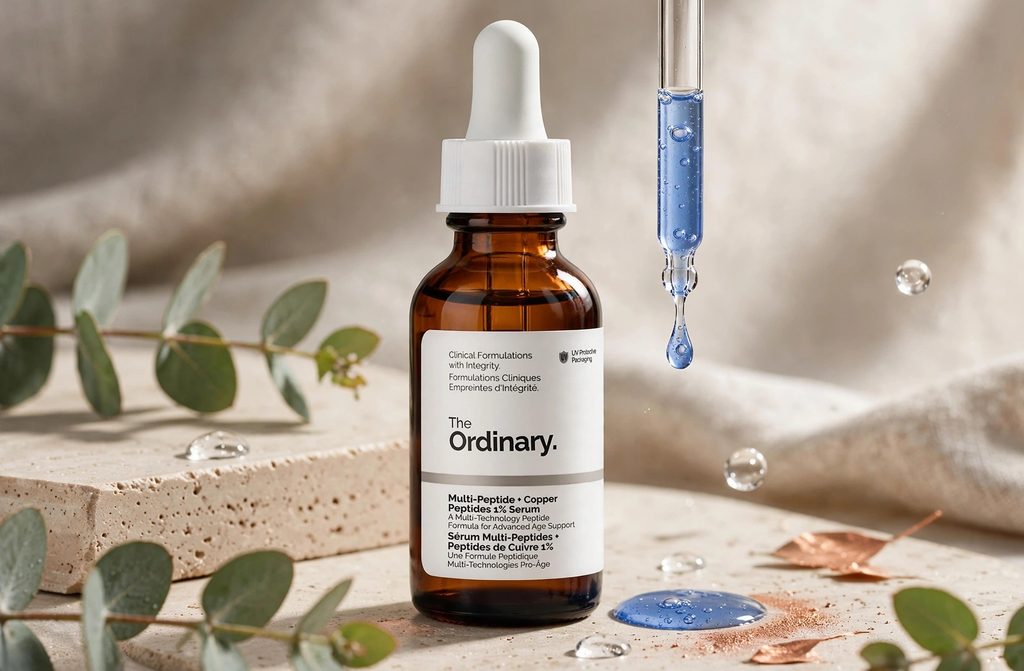
widely available, budget-friendly entry point, available at The Ordinary’s official site, Amazon, and Sephora.
CeraVe Skin Renewing Night Cream
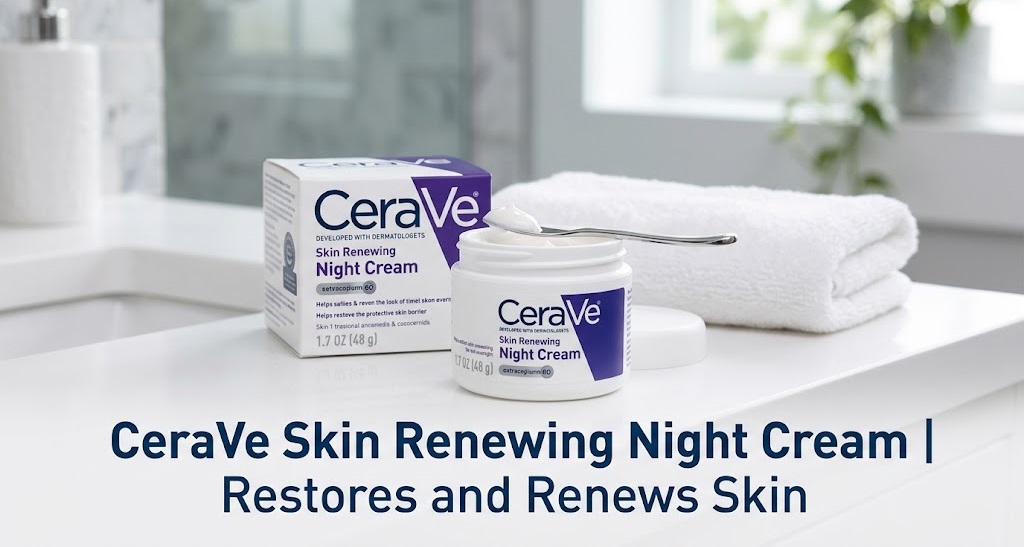
contains peptides alongside ceramides and hyaluronic acid, fragrance-free, available at Amazon, Walmart, and most pharmacies.
What “Peptide Therapy” Injections Actually Are, and Why This Isn’t the Same Conversation
This is where things get genuinely serious, and where a lot of the confusion online can create unnecessary risk.
Compounds like BPC-157 and TB-500 are marketed in some wellness and fitness circles as “peptide therapy.” They’re often promoted for recovery, healing, inflammation, or athletic performance.
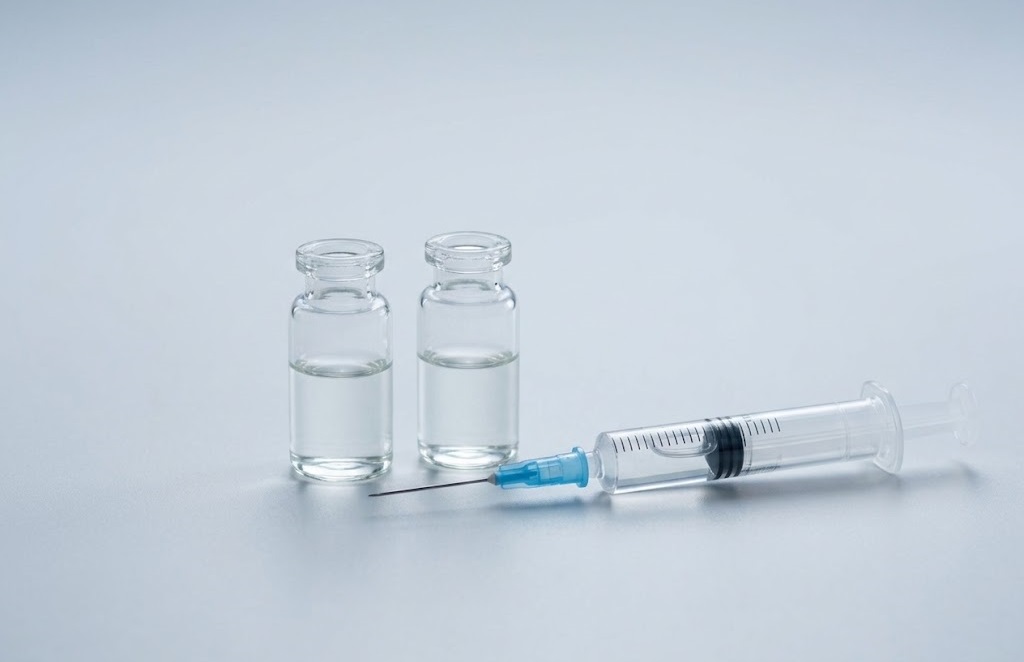
These are not skincare products, and they’re not remotely the same category of risk as a face serum.
BPC-157 in particular has not been approved by the FDA as a human drug. Research into compounds like this remains limited, and claims made online often go well beyond what human clinical evidence can actually support.
The regulatory status and availability of compounded or research-use peptide products can also change. A product being available for purchase online does not mean it has been evaluated and approved as a safe or effective treatment.
Why Injection Quality Matters
Sourcing matters enormously here.
Buying an injectable peptide from an unlicensed online vendor means you may have no reliable guarantee of its identity, purity, concentration, sterility, or actual contents.
That’s completely different from using an approved medication prescribed by a licensed clinician and obtained through a legitimate pharmacy.
If someone is considering an injectable peptide for recovery, pain, performance, or another medical purpose, the appropriate next step is a conversation with a licensed physician rather than relying on a vendor, social-media post, or online forum.
Why the Confusion Actually Matters
A guy who’s used a peptide serum for a few months and liked the results might reasonably assume “peptide therapy” is just the next step up, more concentrated, more effective.
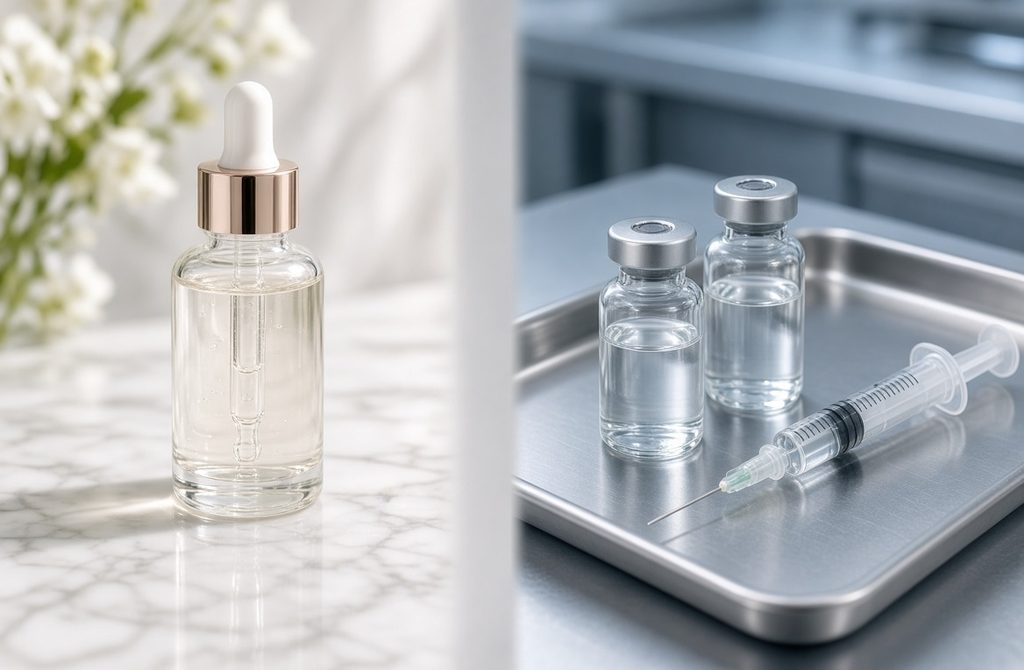
That’s the exact confusion this article exists to clear up.
A topical peptide serum and an injectable peptide compound share a word, not a risk category.
- Topical peptide skincare is a cosmetic product applied to the skin.
- Injectable peptide compounds are a medical intervention and may involve drugs or substances that have not been approved for the intended use.
- The fact that both products use the word “peptide” does not make them interchangeable.
- A positive experience with a skincare serum says nothing about the safety or effectiveness of an injectable peptide.
One is a normal part of a skincare routine. The other is a decision that deserves a real conversation with a licensed physician, not a checkout page.
The Honest Bottom Line
Topical peptide skincare is a reasonable addition to a men’s skincare routine if you’re interested in supporting hydration, skin texture, and the appearance of firmness. The expected benefits are gradual, and the evidence varies depending on the specific peptide and formulation.
Injectable peptides are a completely different conversation. Some have limited human evidence, some are not approved for the uses they’re marketed for, and products obtained through unregulated sources can carry serious quality and contamination risks.

If you’re seeing “peptides” mentioned in a fitness, recovery, or performance context rather than a skincare one, slow down. You’ve left ordinary skincare territory entirely.
A real conversation with a doctor, not a forum thread or a vendor’s product page, is the right next step before doing anything further.
